
Welcome to Powermastery
Human potential is built on what you believe is possible. If you believe something to be impossible then to you it will be true.
There is literally nothing that can’t be accomplished in one way or another, and in time, whether it’s flying, going to the moon, or finding a solution to fight cancer.

Conquer Your story
Your destiny is not the labels others assign to you. Your outcomes are defined by how you live your life.
campaign For life
Life is so much better when you feel you are not in it alone
When you attract hope and purpose into your space, you can empower positive outcomes. Without focus and without taking action, we can never achieve what we seek, nor arrive one step closer to what we seek. Winning the lottery requires going down to the shop and buying a ticket, not wishing to win when no ticket has ever been purchased.
There are no guarantees in life for what we can’t control. We can enjoy the ride and find ways of arriving at some point provided we have the dedication, goal, the tenacity, a belief, and are dogged enough to try, get back up if we fall, dust ourselves off and keep going.
Have you ever felt you could literally walk on water, leap tall buildings in a single bound, or turn grey skies to blue? This attribute influences your state of mind, your EQ and what you believe about yourself.
Have you thought about getting around to it, perhaps tomorrow or eventually, how has that worked out? Through the Powermastery community and events, guests transcend subliminal phases of growth. Each person at the experiential events evolves with a clearer and more powerful purpose, while being more grounded, empowered, and filled with a greater sense of control in their lives and their destiny.
What we do
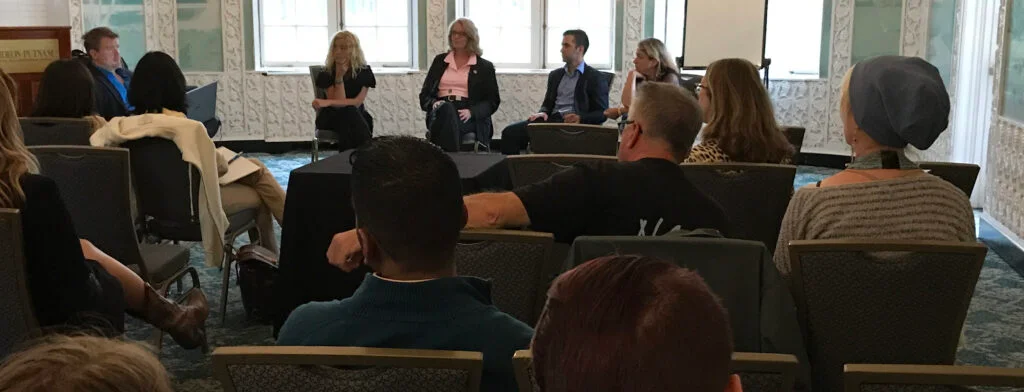
Powermastery is a community of like minds and spirits who seek answers and solutions. Despite the answers being right in front of us we overlook, or look right past them. Through live physical immersive gatherings, we provide the springboards and opportunities to gain a new perspective in awareness and knowledge of what we may have missed or needs to be rekindled.
Built upon authority, commitment, clarity, purpose and forward motion the momentum of our community uncovers the spark and inspiration in the moments that empower positive change, allow for discovery for what is holding them back and the find the courage to leapfrog from where they are to where they could be.
Powermastery is:
Personal
Empowerment
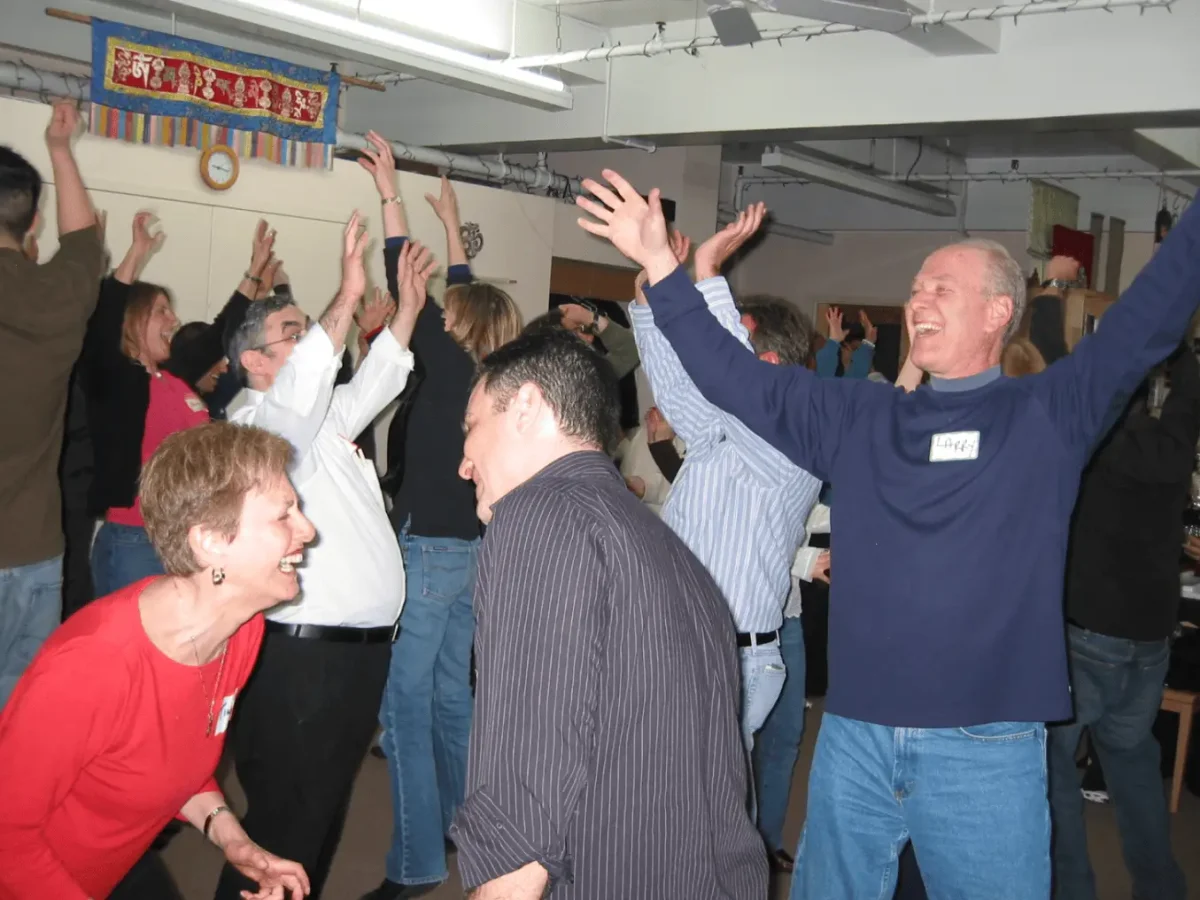
Powermastery Empowerment creates the superpowers others ask about, although we often are not sure what they are.
Workshops, events, retreats, and meetings build the experiential foundation with no fluff and no lip service, just hands-on STEM experiences and interactions. The retreats help guests step out of their comfort zones, build emotional muscle, and forge self-confidence.
Holistic Health, Wellness & Longevity
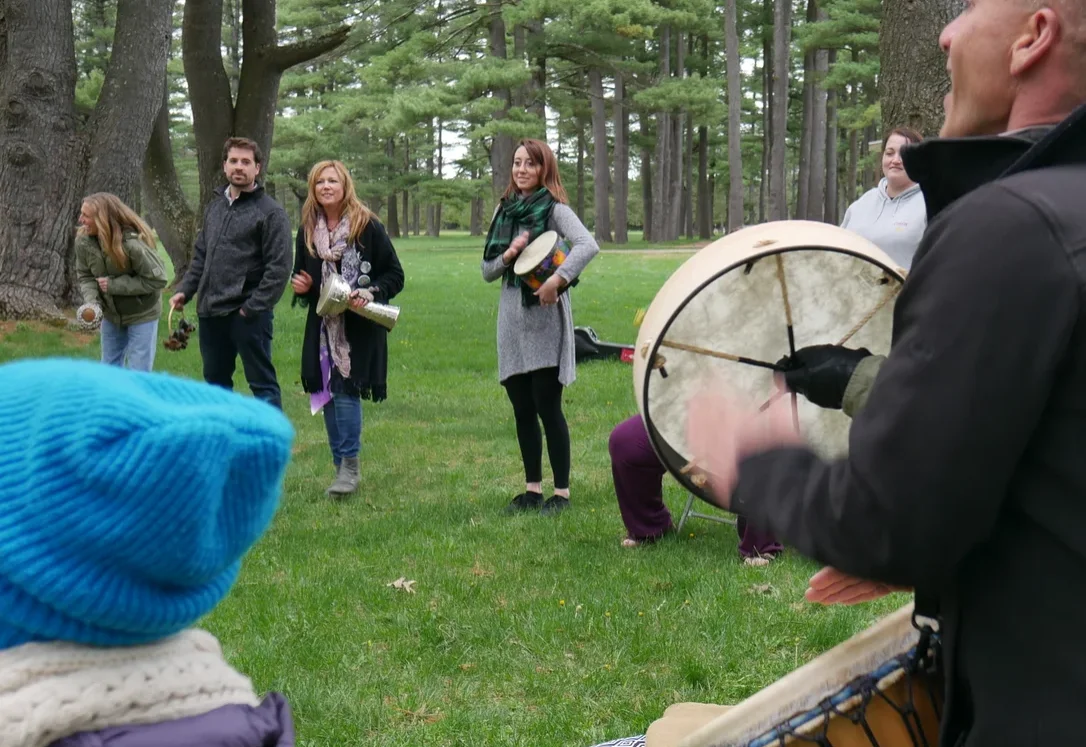
A whole life window to resources and insights for dealing with chronic pain, debilitating disease and illness, longevity, and coping with end-of-life concerns.
Join a community sharing in the same journey and the tools available to discover the strength and the path of least resistance.
Outdoor Adventures and Cultural Experiences
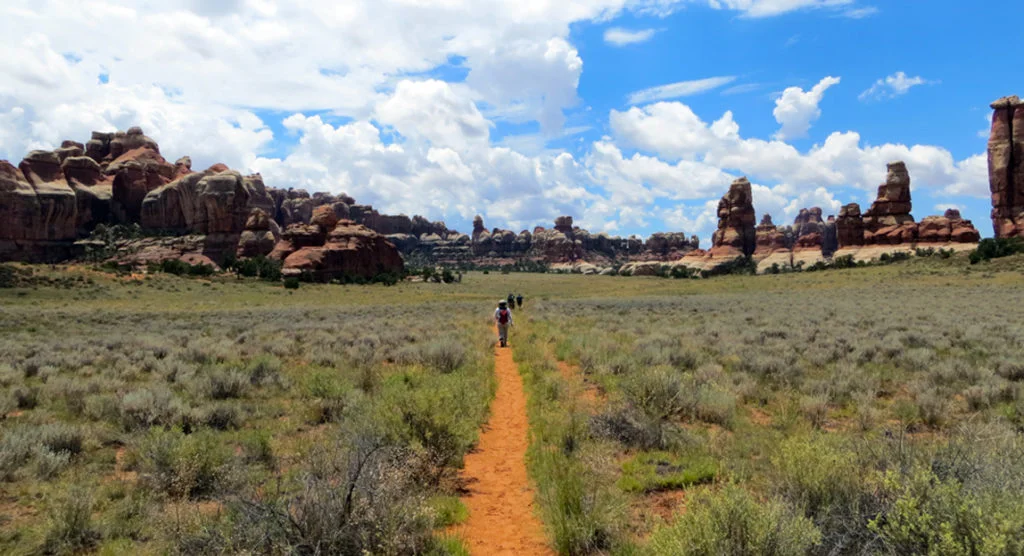
We become more of who we are when we experience the freedom and courage to go beyond procrastination and fear.
We introduce nature and cultural literacy to fulfill an energetic need that our spirits crave and soul misses.
Over stimulation and fast paced lifestyles don’t allow us to slow down and take in the journey to live more abundantly.
We shine a light on information, insights, and potential
We are all in this together. No one is spared from pain, suffering, or death, and at some point in our lives we will realize this. We see you, we hear you, and we feel what you are and have gone through.
It may not be a solution for everyone, but it is for those who engage
We can’t win in the game of life unless we set foot on the path to our human potential and try. You may be missing your ride if you don’t try or are distracted. Make an effort to understand and know what works and what doesn’t.
It is futile to prejudge something without first trying it or believing the meritless comments of others, based on their own references. Imagine how much happier or closer you can be if by the mere act of doing resulted in your success or closure. When it’s safe and good enough, it’s time to engage, try it and tweak it.